Top 10 Real Estate SEO Mistakes That Cost You Leads
Many real estate agents invest time and money in SEO but still do not get leads. This does not mean SEO does not work. In most cases, the problem is not SEO itself. The real problem is how SEO is done.
Real estate SEO is different from other industries. It is local, trust-based, and highly competitive. Small mistakes can quietly block your growth. You may get traffic but no calls, or no traffic at all.
This guide explains the top real estate SEO mistakes that cost you leads and shows how to avoid them.
Mistake 1: Only Focusing on Property Listings
Many real estate websites depend only on property listings. This is a major mistake.
Listings expire. Sold pages get removed. When this happens, all the SEO value built on those pages disappears. Google does not trust websites that keep losing pages.
Listings are useful for users, but they should not be your SEO foundation. Long-term pages work much better. These include area guides, buyer guides, Real estate seller advice pages, and service pages. These pages stay live, build authority over time, and bring steady traffic.
Mistake 2: Ignoring Local Search Intent
Real estate is a local business first. Still, many agents target broad keywords that have no clear local intent. So Real estate SEO Agency Solve this with keyword Research.
People usually search for real estate services using location-based terms like “homes for sale in a specific area” or “real estate agent in a city.” If your website does not reflect this local intent, Google often ignores it.
Every real estate website should have strong city pages, area pages, and local content. Ignoring local SEO means losing buyers and sellers who are ready to take action.
Mistake 3: Thin Pages With No Real Value
Many real estate pages are too short and offer little help to users. These pages repeat generic information and do not answer real questions.
Google does not rank thin pages, and users do not trust them either. Strong pages provide clear value. They explain the area, share local market context, and answer common buyer or seller questions.
Depth builds trust, and trust brings leads.
Mistake 4: Copy-Paste Location Pages
Some agents create many location pages by copying the same content and changing only the area name. Google detects this easily.
Copy-paste pages do not rank well and can harm the entire website. Each location page should feel real and unique. Mention local landmarks, lifestyle details, and specific buyer or seller trends. Unique content always performs better than templates.
Mistake 5: No Clear Conversion Path
Traffic alone does not generate leads. If visitors do not know what to do next, they leave.
Many real estate websites hide contact forms or make phone numbers hard to find. Every important page should guide users to take action, such as calling, filling out a form, or booking a consultation. SEO must lead to real conversations.
A strong profile includes accurate service areas, real photos, regular updates, and active review management. Ignoring this profile means missing out on free, high-intent traffic.
Mistake 7: Chasing Keywords Instead of Topics
Some agents focus only on ranking individual keywords. Google now ranks websites based on topic coverage, not single keywords.
To rank for competitive real estate terms, your website needs buyer content, seller content, area guides, and market insights. When your site covers a topic fully, rankings improve naturally.
Mistake 8: Writing Content Only for Google
Content written only for search engines often feels robotic. Users notice this quickly and leave the page.
Good SEO content sounds natural, answers real questions, and uses simple language. When people stay and engage, Google sees positive signals.
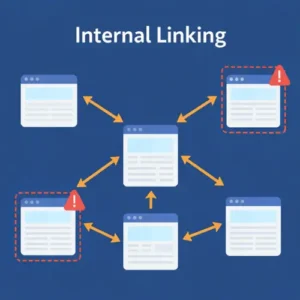
Mistake 9: No Internal Linking Strategy
Many real estate websites have pages that are not connected. This confuses both users and search engines.
Internal links help Google understand page importance and guide visitors through your site. Blog posts should link to service pages, and guides should link to contact pages. Without internal links, SEO strength is wasted.
Mistake 10: Expecting Instant Results
SEO takes time, especially in real estate where competition is high. Some Realtor give up before stat Realestate seo service too early.
Most websites see early movement after a few months and stronger results after six months or more. Consistent effort always beats shortcuts.
Final Thoughts
Most real estate SEO problems are not technical. They are strategic. The good news is that these mistakes can be fixed.
SEO is not about tricks. It is about clarity, trust, and consistency. When done right, it becomes a reliable source of buyer and seller leads.
Want to Know What’s Holding Your Site Back?
If your real estate website is not generating leads, there is usually a clear reason.
👉 Get a Free Real Estate SEO Audit Find out what is blocking your rankings and how to fix it.